Showing posts with label Fitness & Exercise. Show all posts

Tuesday, 22 November 2016

Work out Scenes from my Favourite Indian Movies

Heyy guys, what's up? I lovee Indian movies and especially the adrenaline you get when looking at some of your favorite Indian stars work out, so I have put together a few videos from my favorite movies which Indian stars are doing their work out, check it out and let me know what you think and which scenes I can add.. Looking forward to hearing from you all! 

Do Enjoy! 


Movie: KRRISH 4 


Movie: SULTAN 


Movie: BROTHERS 


Movie: DHOOM 3

Saturday, 19 November 2016

Wednesday, 26 October 2016

Fitness Centres in T & T


Fitness Centres in T & T 


Heyy everyone! Check out the list of gyms I put together below, if you know a gym near you, you can add it on the comments section to let me know. 


Fitness Factory Ltd-GYM

El Socorro Rd

(868) 674-6437


CLX Fitness Centre


Eastern Main Road

(868) 663-9632

Open 24 hours


Fitness 360' Ltd.

57 Carlos St, Woodbrook

(868) 389-2405


Bio Fitness

W Mall Parking

(868) 632-5872

Open 24 hours


Jungle Gym Fitness Centre

Long Circular Gym

Patna St


Central Athletic Club

(868) 221-2000


Excel Gym

20 DABIE AVENUE AVOCAT ,FYZABAD , 

Trinidad and Tobago


The Fitness Centre

Queen's Park W

Women Only Workout

Hibiscus Dr

(868) 745-6948

AMCOL Fitness First Health Club

#59 Batchyia Trace, Batchiya Village, Penal, Trinidad,

Azim Ave

(868) 225-4496

Opens at 5:00 AM

FX Reloaded


Fitness Zone Gym

(868) 653-2815

Opens at 5:00 AM


Xtreme Fitness Gym
Evolution Fitness Centre

(868) 665-6647

Open 24 hours


Fitness Planet Club

Neverson St

Tobago's Health & Fitness Centre

Community Ln

(868) 291-4873

The Fitness Centre

Starlite Shopping Plaza

(868) 632-0516


Central Athletic CLUB


Corinth Road

(868) 221-2000

Open 24 hours

Importance of Exercise & Diet

Why is Physical Activity & Diet Important?

    Would you like to:
    • Decrease your risk of disease?
    • Feel better physically and mentally?
    • Look better?
    • Help avoid injuries?
    • Keep doing activities you enjoy throughout your life?


    Regular physical activity will help you do these things. Physical activity is essential to prevent and reduce risks of many diseases and improve physical and mental health. It can even help you live longer—research from the American Journal of Preventative Medicine indicates that regular exercise can add up to five years to your life.
    Physical activity also keeps you in shape so you can enjoy leisure activities and safely perform work and home chores. It offers great mental and social benefits as well. The Lancet released a series of studies that attribute positive outcomes to physical activity, including “a sense of purpose and value, a better quality of life, improved sleep, and reduced stress, as well as stronger relationships and social connectedness.

    Physical activity reduces risk for eight conditions
    According to the Centers for Disease Control, exercise can reduce your risk of:
    •  Heart disease
    • Stroke
    • High blood pressure
    • Type 2 diabetes
    • Obesity
    • Depression
    •  Breast and colon cancer
    • Osteoporosis

    Cited: The University of Minnesota (2016) 


    Trinidad and Tobago is currently facing a diabetes epidemic, so you may want to watch what you eat and drink and how often you exercise. Checking up on your glucose and blood pressure levels more frequently should also be a priority. Why? Diabetes is the second leading cause of death in T&T, according to director of the Diabetes Outreach Programme with the T&T Health Sciences Initiatives (TTHSI). TTHSI is an initiative of the Ministry of Science and Technology and the Ministry of Health. On March 12, at the Hyatt Regency Hotel, Port-of-Spain, the director revealed the results of a near ten-year study by TTHSI, which revealed this country was facing a diabetes epidemic. This was concluded after data collected between June 2010 and March 2011, from a study done on 2,124 patients at 31 of the 33 health centres and clinics attached to the South West Regional Health Authority, showed a steady increase in the number of people being diagnosed with the disease. The data also revealed that a very low percentage of patients monitored their glucose levels or had the haemoglobin AIC test; an important step in achieving long-term glucose control and minimising the risk of serious  complications.  Added to this, it was noted, diabetes as possibly the leading cause of blindness and foot amputations in Trinidad, according to the study. Heart disease and kidney failure were also among the most common complications that may be caused by diabetes.
    Diabetes and your lifestyle
    Many health groups endorsed the findings, confirming one in every six people will become a diabetic. But how do you develop diabetes?  Medical experts say it really all boils down to your diet and lifestyle.Registered dietician Germaine La Borde gave some insight into the diet of a diabetic and also the type of lifestyle you should lead in order to prevent diabetes and other non-communicable diseases. “It is almost cliché for us to say that a holistic approach must be taken when talking health and prevention of non-communicable diseases, but the fact remains, a holistic approach is the only way,” said La Borde. She added that having a healthy diet is all well and good, but people also need to become more active, as exercise is needed for the complete breakdown of foods in the body. “Exercise is very important and relevant in sustaining good health. But it does not stop there,” she noted. “For overall good health we must look at the mental, physical, emotional and spiritual aspects as well. A person can have the best diet ever but being mentally unwell can take a toll on the physical body,” La Borde explained. She said stress can cause a number of serious health complications, almost like a domino effect. “Our bodies were not designed to house disturbances. That is why it is imperative that all aspects must be attended to regularly,” she admonished.

    The proper diet
    The importance of having good control over blood sugar, a diet consisting of three portion-controlled meals, two healthy snacks and a light bedtime snack if necessary. The three meals would be breakfast, lunch and dinner, using the six food groups to include lean meat, fish, mostly eggs without yolks, low fat or skimmed milk, whole grains, bread, quick breads and cereals, vegetables, legumes and fruit. Meals should be spaced between two and a half and three hours apart, to keep blood-sugar levels stable throughout the day. Breakfast is the most important meal of the day and it is important to avoid missing meals, especially on long days when a person may be away from home on appointments that can take several hours before having a meal. This can lead to low blood sugar with symptoms of extreme hunger, a weak feeling, sleepiness, nervousness or feeling faint.

    Juices
    Juice lovers can drink unsweetened juice or 100 per cent pure juice. However, to avoid blood-sugar spikes, a half-cup of juice, diluted with a half cup of water with ice can be used instead. La Borde said a diabetic person must try, though, to aim for only one serving of juice per day, especially if their blood sugar is not under control. She warned that drinks such as mauby syrups and fruit syrups, as well as soft drinks should be avoided as they contain regular sugar. She advised they should only be used if a person’s blood sugar level is going too low and needs to be quickly elevated.

    Oils
    When it comes to cooking oils, La Borde suggested healthy ones like canola or olive oil, which contain good fats that keep the arteries clear and control cholesterol. Regular vegetable oils can be used in smaller amounts. Never heat any oil until it smokes, as all the good properties are lost, she advised. She said soft-spread health spreads that have no trans fats and no cholesterol  should be used. Fats that contain hydrogenated or partially hydrogenated oils should be avoided or used very sparingly, as they have a degree of saturation and can clog arteries and increase cholesterol, and are in themselves trans fats.

    Salads and fibre
    She said a variety of salad-type vegetables, preferably raw, can be eaten with each meal or as a snack. She cited cucumber chow, seasoned and with little or no salt, as a good example. She said fibre is also important in the diet, as it slows down or controls blood-sugar spikes. “Remember you only have one body and it is your duty to make sure that it is healthy so that you may have a longer and enjoyable life,” said La Borde.

    Snacks
    Healthy snacks, she outlined, can include fruit, nuts, loose granola, fibre, cereals, plain popcorn (not microwavable), whole-grain and multi-grain muffins and crackers, low-fat, low-sugar yogurts, and raw vegetables with healthy dips like yogurt or low-fat cheese spreads low in sodium. La Borde reiterated the need for portion control, even when snacking, especially with  fruits and nuts. And if a bedtime snack is necessary, La Borde warned that it should be light; a half-cup of oatmeal, six fibre crackers or a half-cup of high-fibre cereal with low-fat or skimmed milk. Sweeteners are optional.  This should be consumed  half an hour before bedtime. This, she said, would prevent your blood sugar from dropping too low during the night, which  happens to a lot of people living with diabetes.

    Cited: Dixon, B., (2012) Guardian


    Monday, 10 October 2016

    What to Eat Before, During, and After Running

    What to eat before your run

    If you're running an easy-paced 3 to 4 miles (or less): Skip a pre-run meal. "If it's just a few miles, you don't need to eat before," says Vishal Patel, chief sports nutritionist at Nuun. There will be enough glycogen (the body's most readily accessible form of energy) in your muscles to power you through. Drink 8 ounces of water or a low-calorie sports drink before you head out, though, especially if you're running first thing in the a.m. (because you wake up dehydrated).
    Before a run more than 4 miles long or any speed work: Eat 50 to 60 grams of complex carbs, like oatmeal and a banana. This tops off glycogen stores. Eat 1 1/2 to 2 hours prior to give your body time to digest and soak up the nutrients. 
    For a tough tempo workout or sprint intervals: Have a carb-rich meal the night before. Stick to a supper that has pasta, rice, or quinoa (balanced with protein and veggies) before any key-workout day to up glycogen stores, which is important for high-intensity performances at all distances. 

    What to eat and drink during your run

    If you're running for less than an hour: Water is sufficient, unless it's especially hot or humid.
    For runs an hour long or more: Once your runs get around the 60-minute mark, sip a low-calorie electrolyte-based drink (think G2 or Nuun); the added electrolytes can increase muscle function. Electrolytes (namely, sodium and potassium) help muscles retain fluids, receive oxygen and function properly, says Patel. "Getting them in fluids, rather than in a solid snack, helps deliver the electrolytes to your muscles faster," he says.
    When you're going for 90 minutes or longer: Eat about 20 grams of carbs every 25 to 30 minutes. Muscles store enough glycogen to fuel about an hour-long run. After that, you'll need 30 to 60 grams of carbs an hour—from sports drinks, gels, or chews—to maintain your intensity. "Eat early and often for a regular flow of nutrients," says Pfaffenbach. Your brain realizes you're low on fuel before your muscles do and will start to slow you down as a precaution. During runs 90 minutes or more, sports drinks with carbs and electrolytes can help you maintain pace and delay fatigue.  (Gatorade, for instance, is about 6% carbs; try watering it down to sidestep an upset stomach.)
    Towards the end of your race: Swish a sports drink around in your mouth, then spit it out: Just rinsing with the sugary drink can trick your brain into recruiting more muscles (especially when they're depleted) and enhance your performance, according to recent research inMedicine & Science in Sports & Exercise. No tummy pain, all gain. 
    Cite: Scotia bank Trinidad and Tobago Foundation (2016)

    What to eat after your run

    Once you've logged the miles, have a bite within an hour to reap the most rewards. "When you're running, you're breaking down and stressing your muscles; the time when you get stronger is during the recovery period," explains Patel. Reach for a meal with a 3-to-1 ratio of carbs to protein. Why? Carbs are more important, as they replenish the glycogen stores (i.e., the go-to energy source) in your muscles. Already know the power of chugging chocolate milk post-workout? Other options with the right ratio: a banana or apple with peanut butter, a berry and a banana smoothie with a scoop of protein powder or an oat bar with an almond, hazelnut, or peanut butter center.


    Cite: Health Media Ventures (2016)

    Sunday, 9 October 2016

    T & T Hikes, Waterfalls and Beaches!

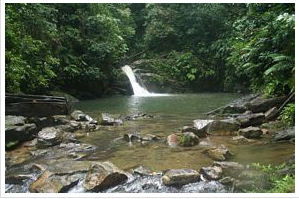
    The twin island Republic of Trinidad and Tobago is endowed with the blessings of nature. Majestic mountains, lush forests, astonishing coastal beaches, pristine waterfalls, fantastic rivers, and picturesque gorges are all neatly embedded in the well known “Northern Range”, which is historically part of the Andes chain of South America.
    Listed below are the famous T & T waterfalls, beaches, mountains, caves, rivers and camping sites which you and enjoy with you family and friends for a great outdoor workout. 
    Please see: http://www.naturetrektnt.com/  for information on bookings... 

    Rivers 

    Three Pools
    Location: Northern Range  Distance: 0.25 miles (one-way)
    Level Of Difficulty: Easy  Duration of hike: 2 hours


    Turure Water-Steps
    Location: North-eastern Trinidad  Distance: 0.75 miles (One-way)

    Level Of Difficulty: Easy  Duration of hike: 4 hours


    Mermaid Pools

    Location: North-eastern Trinidad  Distance: 0.5 miles (One-way)

    Level Of Difficulty: Easy  Duration of hike: 3.5 hours


    Yarra River & Gorge

    Location: Northern Range 
    Level Of Difficulty: Moderate
    Duration of hike: 7 hours


    Lower North Oropouche River
    Location: North-eastern Trinidad
    Option 1: Hike to waterfall & River Exploration to 3 Pools 5.5 hours,4.5 miles

    Option 2: Hike to waterfall & return on same trail 4 hours,4 miles


    Waterfalls


    Paria Bay and Waterfall 
    Location: Nothern Range  Distance: 5 miles (One Way)
    Level Of Difficulty: Strenuous
    Option 1 Hike duration: Hiking both ways – 7h
    Option 2 Hike duration: Hike one way/boat return – 6h
    Option 3 Hike duration: Boat both ways, hike to the falls – 4h


    Habio Waterfalls 
    Location: Nothern Range  Distance: 2.5 miles (One-way)

    Level Of Difficulty: Moderate  Duration of hike: 4 hours


    Rio Seco Falls 
    Location: Nothern Range  Distance: 1.25 miles (One Way)

    Level Of Difficulty: Easy  Duration of hike: 4 hours


    Twin Rivers Waterfall - Tobago 


    Mountains 


    Caura Village to Lopinot Village

    Location: Northern Range 
    Level Of Difficulty: Strenuous
    Duration of hike: 7 hours


    El Tucuche
    Location: Northern Range  Distance: 6 miles (One-way)

    Level Of Difficulty: Strenuous  Duration of hike: 8.5 hours


    Tucker Valley to Macqueripe Bay 
    Location: Western Penninsula Trinidad 
    Level Of Difficulty: Strenuous
    Duration of hike: 6 hours


    Mount Tabor 
    Location: North-eastern Trinidad
    Level Of Difficulty: Moderate
    Duration of hike: 3 hours